The work of ACIMGA’s specialist groups produces analyses, guidelines and shared information: practical tools to guide choices, investments and competitiveness in the supply chain.
At a time when the packaging industry is having to deal with cost volatility, more fragile supply chains and an increasingly stringent European regulatory framework, industry associations are becoming a silent but decisive infrastructure. They do not merely “represent” companies: they act as a link between the market, institutions and the supply chain, translating regulations and trends into operational guidelines, promoting training and opportunities for discussion, and giving international visibility to national excellence.
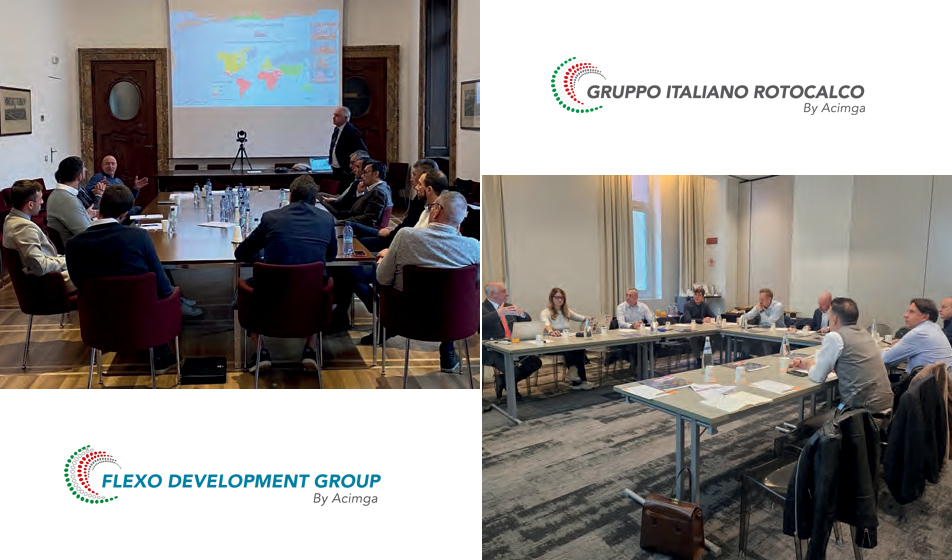
However, their added value is measured above all in the work of specialised groups: technical round tables where different skills (printers, technology and material suppliers, brands and stakeholders) come together to establish common priorities. This gives rise to guidelines, contributions to standards and, above all, data: market surveys and analyses that help companies to make more informed investment and innovation decisions.
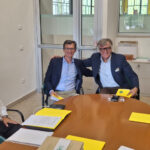
With this in mind, we met with representatives from ACIMGA’s Flexo and Rotogravure Development groups to understand the critical issues affecting the two technologies and what factors – from 2026 onwards – could drive more solid and sustainable growth.
Interview with Simone Bonaria, President of ACIMGA’s Flexo Development group and COO BFT Group.
 What critical issues have you encountered in the recent past?
An unstable scenario (geopolitics, economy) with a complex supply chain and cautious investments. Raw materials and energy have eroded margins; US-EU tariffs remain an unknown factor for exports. Regulatory and sustainability pressures, such as the PPWR, are also growing.
Can technological innovation mitigate these conditions?
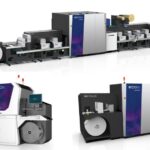
Yes: hybrid flexo-digital solutions offer flexibility for short runs and customisation. Automation and in-line control reduce waste and consumption. Barrier coating accelerates the transition to single-material packaging.
Opportunities and trends: what do you expect from 2026?
Opportunities in corrugated cardboard and new materials, with increasing quality demands. “Non-packaging” applications (photovoltaics, batteries) related to coating and functionalisation are emerging. System integration and AI can enable predictive maintenance and remote control.
How is the Flexo Development Group working in this context?
We promote Italian technologies at international tables and build partnerships with stakeholders. We collect and analyse market data to identify trends and new applications for the benefit of our member companies.
Interview with nanni Bertorelli, President of ACIMGA’s Rotogravure Development group and RD&E Director Bobst
 What critical issues have you encountered in the recent past that have affected the growth of the sector?
Economic instability, expensive energy and volatility in films, inks and solvents have slowed down investment and planning. EU regulations on recyclability and VOCs require adjustments: with the PPWR, from 2030, packaging with recyclability <70% will not be allowed on the market.
Can technological innovation help mitigate these negative factors?
Yes: automation and control reduce waste and increase stability; integration with digital technology facilitates job changes. New-generation inks and coatings, often developed in partnership, improve the printability of recyclable structures.
Opportunities and trends: what do you expect from 2026? Will there be any technological or regulatory turning points?
Growth in Europe, driven by food, personal care and pharma. Drivers: stricter rules, with a push towards single-material, waterbased and energy-efficient products.
How is ACIMGA’s Rotogravure Specialisation Group working in this context?
Technical and regulatory support, events (Roto4All 2026) and training. We are working on the new ISO rotogravure standard and on the Machinery and PFAS Regulations (restrictions from mid-2026).