More focus on plastics, new patents, gender equality, sustainability and meaningful governance, development projects… Plastik turns 65, accelerates on technology and ESG goals, and relaunches in new markets. Interview with Gianangelo and Laura Cattaneo.
For Plastik SpA—a well-known manufacturer of films for packaging and hygiene products—this is a special year. It marks the 65th anniversary of the company founded in 1961 by the Cattaneo family, now in its third generation, which leads the company alongside a cohesive group of competent managers. And it’s celebrating with a new logo, an update of its corporate values aligned with ESG principles, and a development plan focused on the quality of exclusive products and highly sophisticated know-how to ensure continuity and a future for a family business that has evolved into a “small Italian-style multinational.”
Known worldwide for its groundbreaking patents—starting with the exclusive manufacturing method for breathable diaper film—the Bergamo-based company owes its growth first and foremost to technical expertise, as well as to its social and environmental commitment, documented in its Sustainability Report and in achievements such as gender equality certification. Together, ethics and technology shape the future and the soul of a company that positions itself as a “specialist and innovator” capable of effectively managing industrial-scale production volumes as well as limited runs for specific, highly technical applications—products where plastic is both necessary and sustainable. We speak with Gianangelo Cattaneo, founder and president, and Laura Cattaneo, engineer and CEO of the Bergamo-based group.
The technology underpinning the strategy
At Plastik, major developmental milestones—the launch of hygiene and healthcare production in the 1980s, and the development of revolutionary breathable films for diapers in the late 1990s—are rooted in the technical capabilities that drive innovation and the ability to solve complex problems.
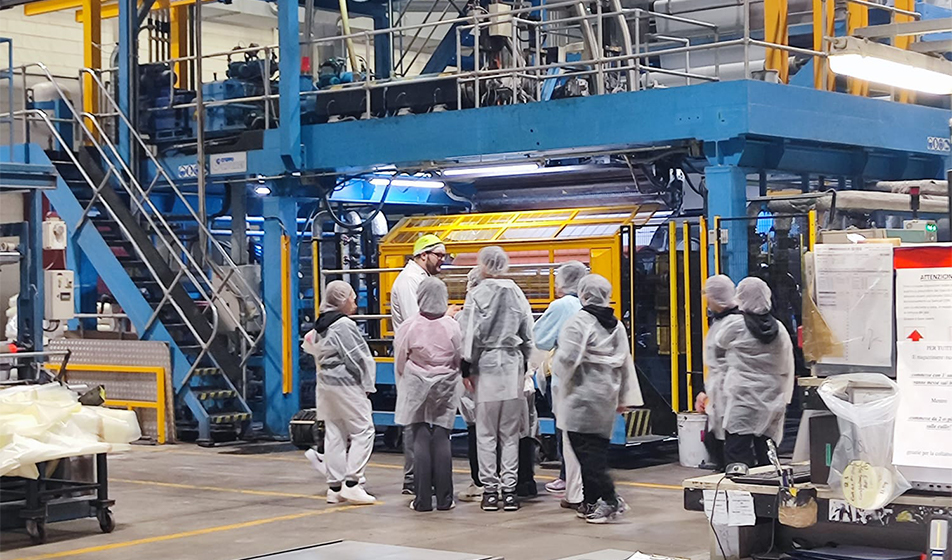
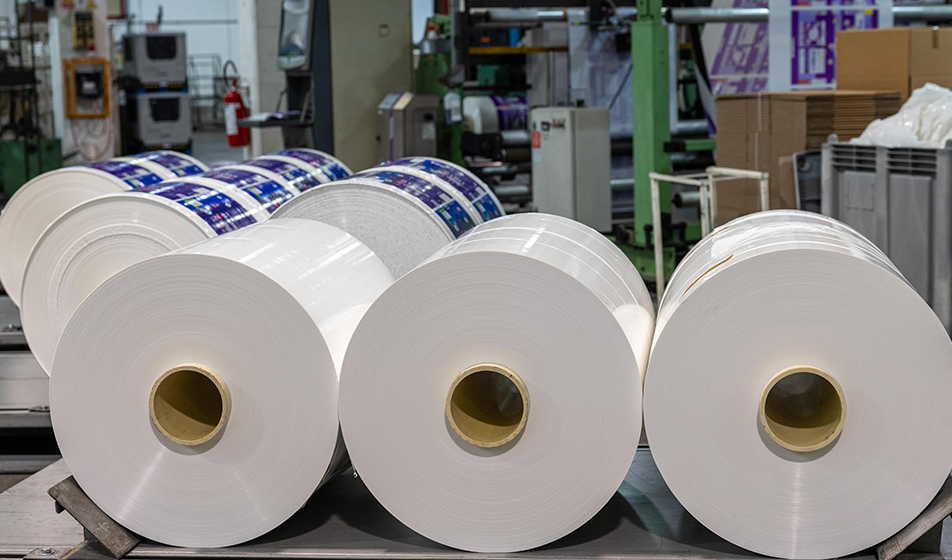
These roots, which we owe to the founder’s expertise, are also reflected in an organizational model characterized by strong process integration and maximum plant flexibility. “Production capacity,” emphasizes Gianangelo Cattaneo, “is not enough: we are committed to a process of continuous improvement that aims, on the one hand, to constantly experiment with new materials and processes, and on the other, to combine extrusion, printing, and lamination technologies to reduce steps, lead times, and waste. This allows us to produce even complex products and small-to-medium batches to meet our customers’ flexibility needs. It is a challenging position, and our investment projects aim to introduce more and more hybrid lines, upgrade existing plants for greater flexibility and automation, and implement technologies that enable rapid changeovers and product customization—all in line with the increasingly tight deadlines demanded by the market.”
Bringing plastic where it’s truly needed
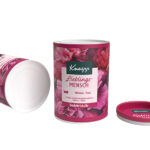
The world of flexible plastics is undergoing a period of intense change driven by new materials, sustainability regulations, and demands for increasingly advanced performance and less standard solutions. These are challenges to be addressed but also new business opportunities. “That’s why,” explains Laura Cattaneo, engineer and current CEO of the group, “we’re working to strengthen our position in established markets and also to enter adjacent and demanding sectors, such as medical and pharmaceutical/cosmetic, food, and specialty pet food. Here we aim to bring innovation and our expertise, with sustainable plastics capable of delivering the safety, durability, and quality that other materials lack.”
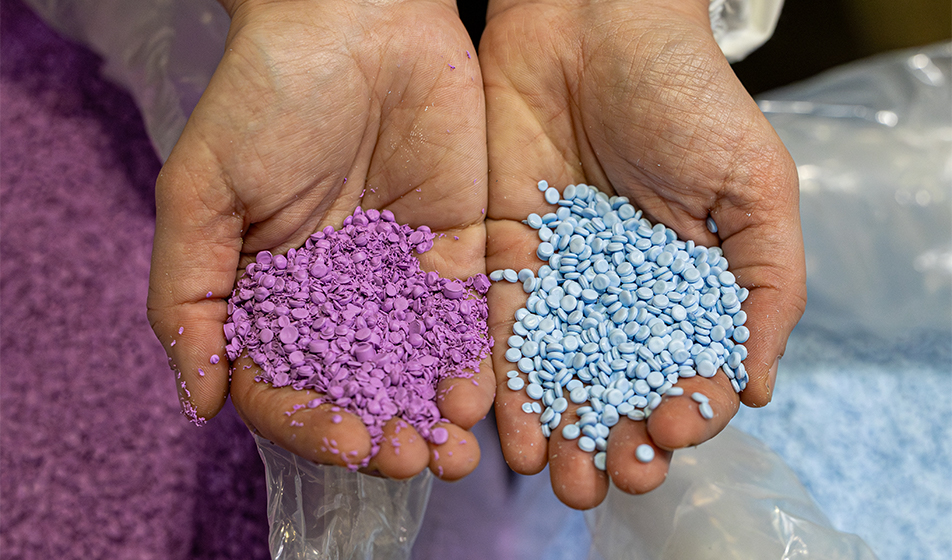
“We’re focusing heavily on single-material structures,” Gianangelo notes, “to develop alternatives to complex multilayer systems, which are difficult to manage at end-of-life. We have developed high-performance films for cosmetic and pharmaceutical packaging, refill systems for sectors that have not yet adopted them, and new sustainable, high-performance solutions for various market niches. This is an ongoing research effort that, even in recent years, has allowed us to file new patents.”
Economic Challenges and the HR Revolution
In the current and highly problematic market context, strong decision-making capabilities and the involvement of the entire company are needed more than ever. And it is in the area of governance that Plastik’s efforts are most visible: in opening up governing bodies to people outside the family, in the commitment to promoting a culture of plastics that combats senseless ideological demonization, and in addressing the shortage of qualified personnel with a different approach.
“We have published our sixth Sustainability Report, which better structures all the social initiatives we undertake, and we have seriously addressed both recruitment challenges and the need for a new balance between the company and its employees,” says Laura Cattaneo. “And it is here, perhaps, that we have seen the most unexpected and rewarding results. It is Anna Cattaneo, my sister, who directly oversees these projects—such as the creation of work stations for people with various cognitive challenges—who have shown such happiness and pride in performing their simple tasks that it has helped us all understand the true value of work.”
Or by involving plant operators directly in solving complex issues, gathering genuinely valuable feedback that has led to more cost-effective structures with the same performance.
However, the project that has given us even greater satisfaction is gender equality, a challenging issue which made us take a bold step. An initiative rooted in the fact that Anna and I — the third generation entrepreneurs — are both women, and this is inevitably shaping to the company’s future.
To address the severe shortage of personnel in a 24/7 department that had traditionally been entirely male operated, we began introducing female operators, fully aware of the training they would require and the fact that they might not be immediately accepted. We also knew we would need to give up weekend shifts — with a corresponding loss in output — to address family responsibilities that still largely fall on women.
Today, this department is performing in line with expectations, absenteeism has dropped significantly, and we have seen tangible professional growth — including the appointment of our first female lead operator, while order and cleanliness have also increased across the board.
Take that , “women quotas” tokenism!