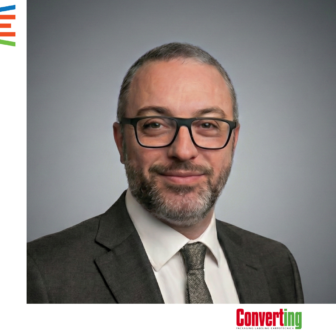
Raffaele Angelillo – Converting e Stratego Group
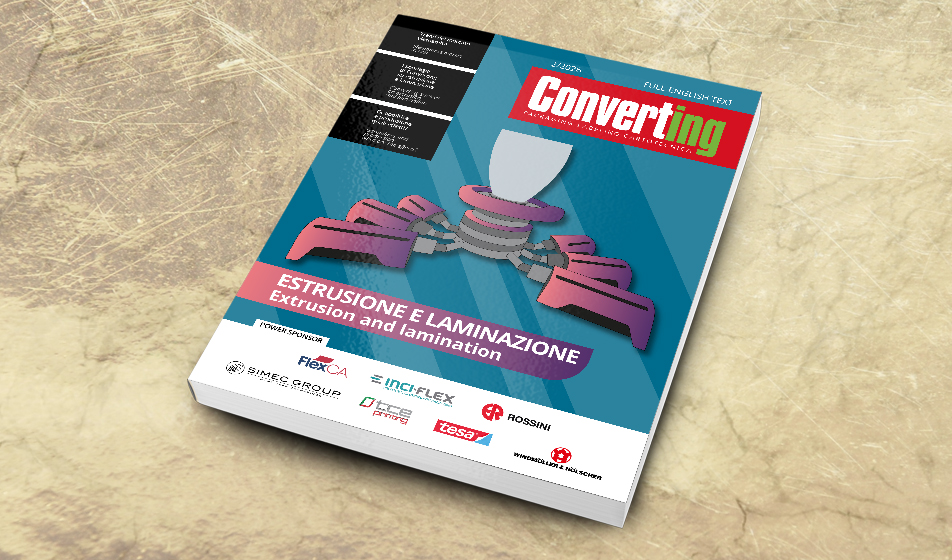
There is one image that runs through this issue of Converting Magazine more than any other: that of an industry that today finds itself “extruding air.” It is not merely a technical provocation. It is the perfect summary of what the modern converting industry is experiencing: achieving more with less material, less energy, and less margin for error, while the number of variables to manage continues to grow.
In the world of extrusion, lamination, and flexible packaging, every micron removed from the film adds complexity to the process. Every new sustainability requirement introduces less stable materials, more challenging formulations, and more delicate balances. Yet, precisely within this pressure, the supply chain is revealing its most advanced nature: not merely a processing industry, but a system capable of integrating materials science, automation, digital control, and human expertise.
The common thread of this issue lies here: in the ability to manage complexity without artificially simplifying it. The most advanced companies do not seek shortcuts. They invest in know-how, data collection, smart systems, process control, and employee training. Because today, it is no longer enough to have high-performance machines: one must understand the invisible relationships between materials, energy, speed, quality, and sustainability.
It is a condition reminiscent of the work of great violin makers: seemingly similar materials that react differently, minute balances capable of altering the final result, and technical sensitivity that no automation can fully replace.
Today, the converting industry, too, is engaged in this continuous search for harmony between performance, sustainability, costs, regulations, and production quality. A dynamic balance, in which experience, interpretive skills, and industrial vision become the decisive tools for transforming complexity and variability into tangible value.
This issue tells the story of an industry that isn’t waiting for the future: it’s building it, line by line, layer by layer. With industrial pragmatism, certainly. But also with that technical and cultural drive that has always distinguished those who don’t merely follow change, but help define it.